Vintage Charm & Textured Depth: Waterlogged Papers Vol. 2
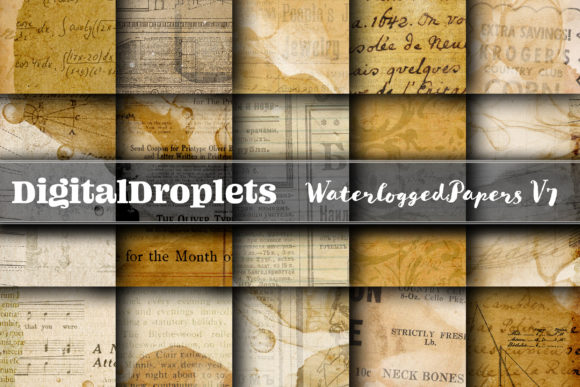
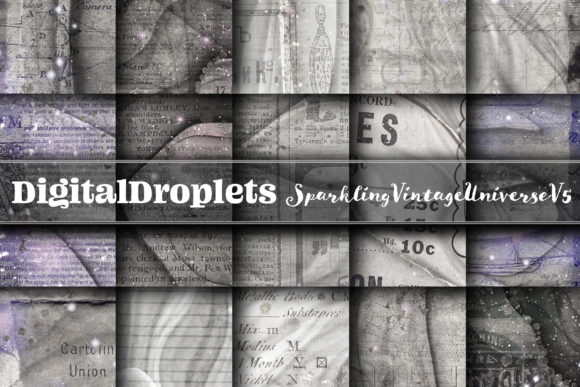
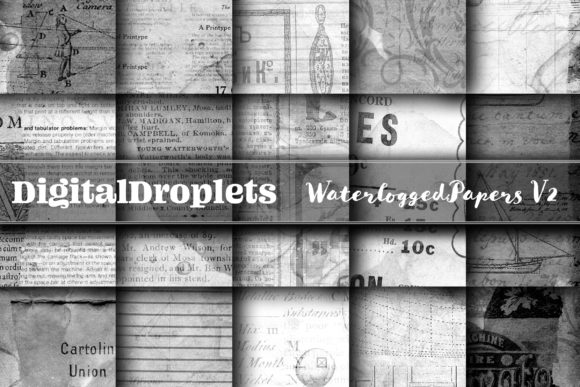
Imagine a design asset that instantly transports your viewer to a different era, evoking a sense of history and tangible authenticity. The Waterlogged Papers Vol. 2 | Collection delivers precisely this, offering a sophisticated set of 12×12 digital paper backgrounds that blend vintage newspaper aesthetics with the unpredictable beauty of alcohol ink stains. For graphic designers, this isn't just a pack of textures; it's a tool for instant atmosphere and visual storytelling.
Why Textured Assets Matter in Modern Design
In an increasingly digital world, designs that incorporate tactile, organic elements stand out. They create emotional resonance and a sense of craft that flat, sterile graphics often lack. The Waterlogged Papers Vol. 2 | Collection 12×12 Paper Set of 10 papers is engineered for this purpose. Each of the ten high-resolution, 300dpi JPEG files features a unique border and a base of aged writing or newsprint, overlaid with distinctive ink stains. This combination provides a rich, pre-designed foundation that elevates creative projects by adding depth, narrative, and a handcrafted feel.
Practical Applications for Designers and Creators
The versatility of this collection is its greatest strength. Its gothic and vintage character makes it ideal for a wide array of applications where mood and texture are paramount.
Strengthening Brand Identity & Marketing
For brands targeting an audience that appreciates history, craftsmanship, or alternative aesthetics, these papers can be foundational. Use them to create consistent backgrounds for social media graphics, website hero images, or email newsletters that tell a cohesive visual story. They are perfect for packaging design for artisanal goods, vinyl record sleeves, or brewery labels, instantly communicating a brand's unique personality and values.
Enhancing Creative & Editorial Projects
Beyond branding, the practical uses are extensive. Consider these applications:
- Scrapbooking & Junk Journals: Provide an authentic, pre-aged canvas for photos and memorabilia.
- Digital Collage & Mixed Media: Layer with other elements to build complex, textured compositions.
- Card Making & Invitations: Create one-of-a-kind wedding invitations, event announcements, or greeting cards with a distinct vintage flair.
- Web & UI Design: Use subtly as a background texture for blogs, portfolios, or boutique e-commerce sites to enhance user experience with warmth and character.
- Photography & Presentations: Serve as compelling backdrops for product photography or as slide backgrounds that add interest without distracting from the content.
Tips for Effective Integration into Your Design Workflow
To maximize the impact of assets like the Waterlogged Papers, thoughtful integration is key.
- Maintain Visual Hierarchy: Use these textured papers as backgrounds. Ensure your primary text and key graphics have sufficient contrast and clean space to remain readable and maintain a clear focal point.
- Ensure Brand Consistency: If using them for a client project, select papers that align with the established brand color palette and tone. The muted, vintage tones often work well with analogous or monochromatic color schemes.
- Consider Scalability: At 300dpi and 12×12 inches, these files are print-ready. For digital use, optimize file sizes without sacrificing the visible texture quality to ensure fast page loading.
- Layer Thoughtfully: Experiment with blending modes in your design software. Multiply, Overlay, or Soft Light modes can help integrate text and other graphic elements more naturally with the paper's texture.
Ultimately, the power of a resource like the Waterlogged Papers Vol. 2 lies in its ability to shortcut the design process while delivering a professional, polished result. By choosing assets that offer both aesthetic quality and practical flexibility, designers and creators can focus their energy on composition, messaging, and innovation. Thoughtful selection of creative assets is not an afterthought—it's a strategic decision that directly influences the emotional impact and effectiveness of your visual communication.